
Key Takeaways
Most first-time UTV tour nerves come from not knowing the flow. Expect early check-in, waivers, a quick safety and controls rundown, a guided ride with scenic stops, and a wrap-up back at base.
Your experience depends on the tour style. Some tours let you drive your own UTV in a guided line, while others are ride-along style with a guide driving.
Plan for the elements. UTV tours are open-air, so dust, wind, and occasional mud or spray are normal, and closed-toe shoes plus secure belongings go a long way.
The guide-led format is what keeps it beginner-friendly. Staying in line, keeping spacing, and following the guide’s pace and route choices help the ride feel smoother and safer.
It’s okay to be nervous on your first guided UTV tour. Looking farther down the trail, using gentle inputs, resetting at stops, and speaking up early can make the ride feel much more controlled.
If it’s your first time on a UTV, your brain may jump to extremes. You might picture a slow crawl through the woods, or a bumpy thrill ride that leaves you gripping the wheel like your life depends on it. However, most guided tours sit comfortably in the middle. As you consider going on one, review our guide to first-time UTV tours and what to expect on them.
What Happens on a UTV Tour? The Big Picture Timeline
Across most operators, the flow of a UTV tour looks pretty similar:
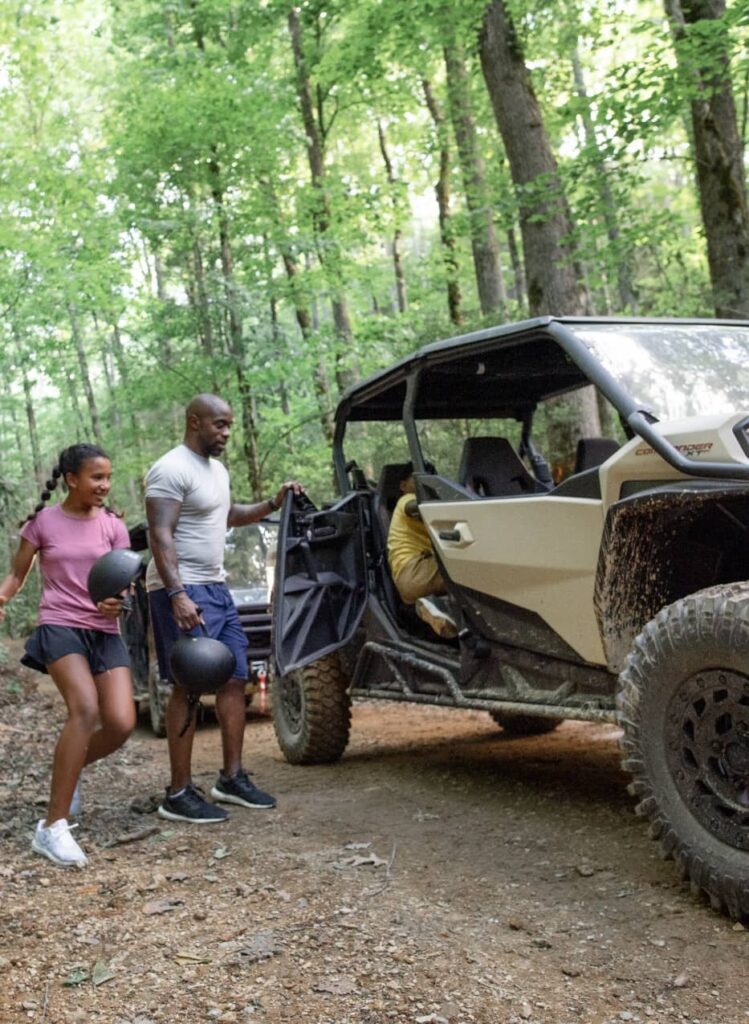
- Arrive early and check in
- Complete waivers and confirm driver requirements
- Get fitted with safety gear and hear a quick safety and controls rundown
- Roll out as a guided group, usually in a line with spacing rules
- Ride with scenic stops for photos and quick breaks
- Return to base, turn in gear, and wrap up
A Full Timeline for Your First UTV Tour
A first guided UTV tour is built to feel doable, even if you’ve never driven off-road before. You’ll have a capable machine, a defined route, and a guide who sets the pace and keeps the group moving safely. Your job is simple: drive smoothly, follow directions, and enjoy the scenery.
Typically, you can expect your first UTV tour to be similar to the following timeline:
Before You Arrive for Your First Guided UTV Tour
Know Who’s Driving
Many tours require drivers to be adults with a valid driver’s license, and some operators confirm it at check-in. If your group wants to rotate drivers, check the rules ahead of time. A lot of tours allow driver swaps only at a designated stop, and they may require the second driver to be checked in before the ride begins.
Dress for Dust, Wind, and “I’m Fine Getting a Little Dirty”
You don’t need to overthink it, but you do want to dress for the elements. Most tours are open-air experiences, so you’ll feel the wind, pick up dust, and possibly run into mud or water spray.
The following clothing checklist for UTV tours often works:
- Closed-toe shoes
- Clothes you’re comfortable getting dusty
- Weather-ready layers if it’s cool or unpredictable
- A hair tie, if you need one
- A plan for your phone so it stays secure
Understand the Style of Tour You Booked
Not every UTV tour feels the same. Some are “drive your own UTV in a guided line,” while others are ride-along style, where a guide drives and you ride as a passenger. If driving makes you nervous, a ride-along option can be a great way to get the experience without the pressure.
Arrival and Check-In: The Part People Underestimate
If there’s one rookie mistake that cuts into fun, it’s arriving too close to start time.
Operators ask guests to arrive early so the group can leave on schedule after waivers, gear fitting, and the pre-ride briefing. This arrival window usually breaks into three straightforward steps:
Step 1: Check-In and Paperwork
Staff confirms your booking, drivers show ID if required, and waivers get signed. Some operators offer online waivers, which can speed things up if you complete them before you arrive.
Step 2: Restroom and Last-Minute Prep
A lot of tours only have restrooms at the base area, and the trail portion may not have any bathrooms. To be safe, use the restroom before rollout, even if you feel fine in the moment.
Step 3: Meet the Guide and Learn the Group Format
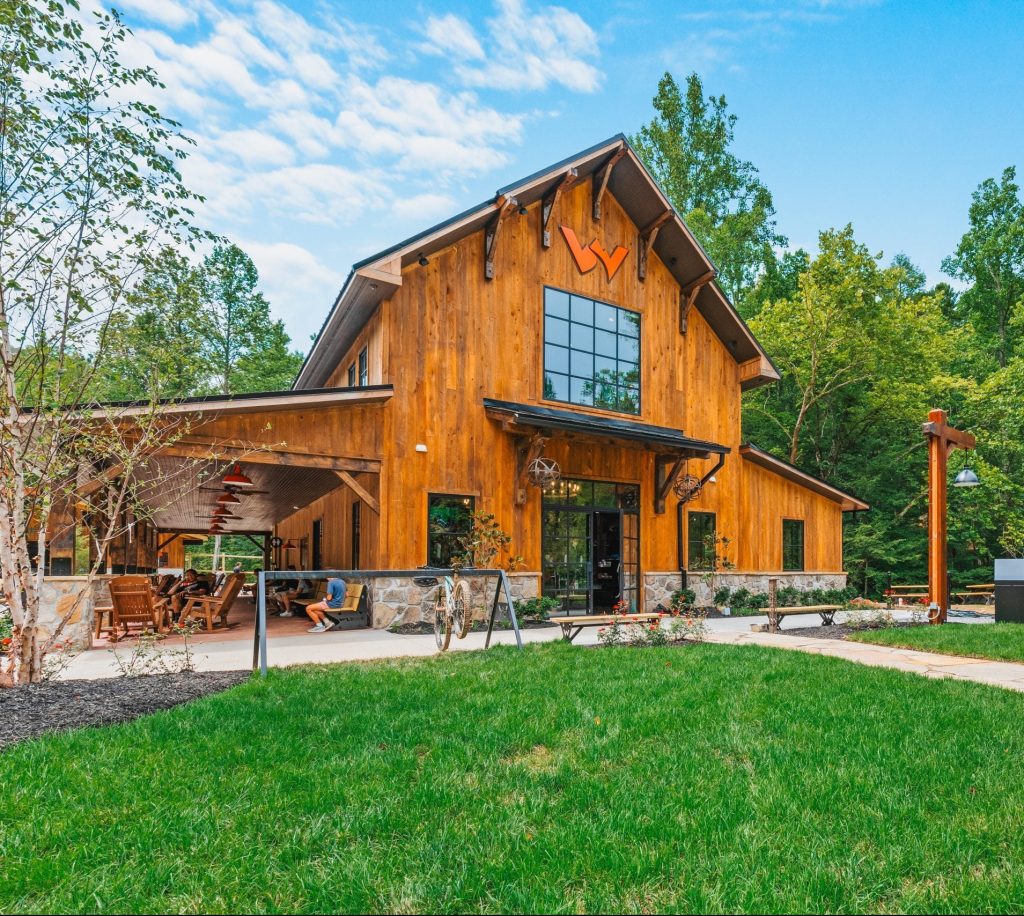
Most guided tours run as a small convoy. You’ll follow a lead guide, and the group stays in order with rules around spacing and speed. That structure is a big reason a first-time UTV tour can feel manageable.
Safety Gear and a Fast Controls Rundown
After arrival and check-in, the tour operator will likely provide you with safety gear and instructions on how to drive their UTVs:
What You’ll Usually Be Issued
Most tour operators provide safety gear like helmets and some form of eye protection, and they’ll expect seatbelts to be worn while the vehicle is moving. Requirements vary by operator and terrain, so treat the guide briefing as the rulebook for your specific ride.
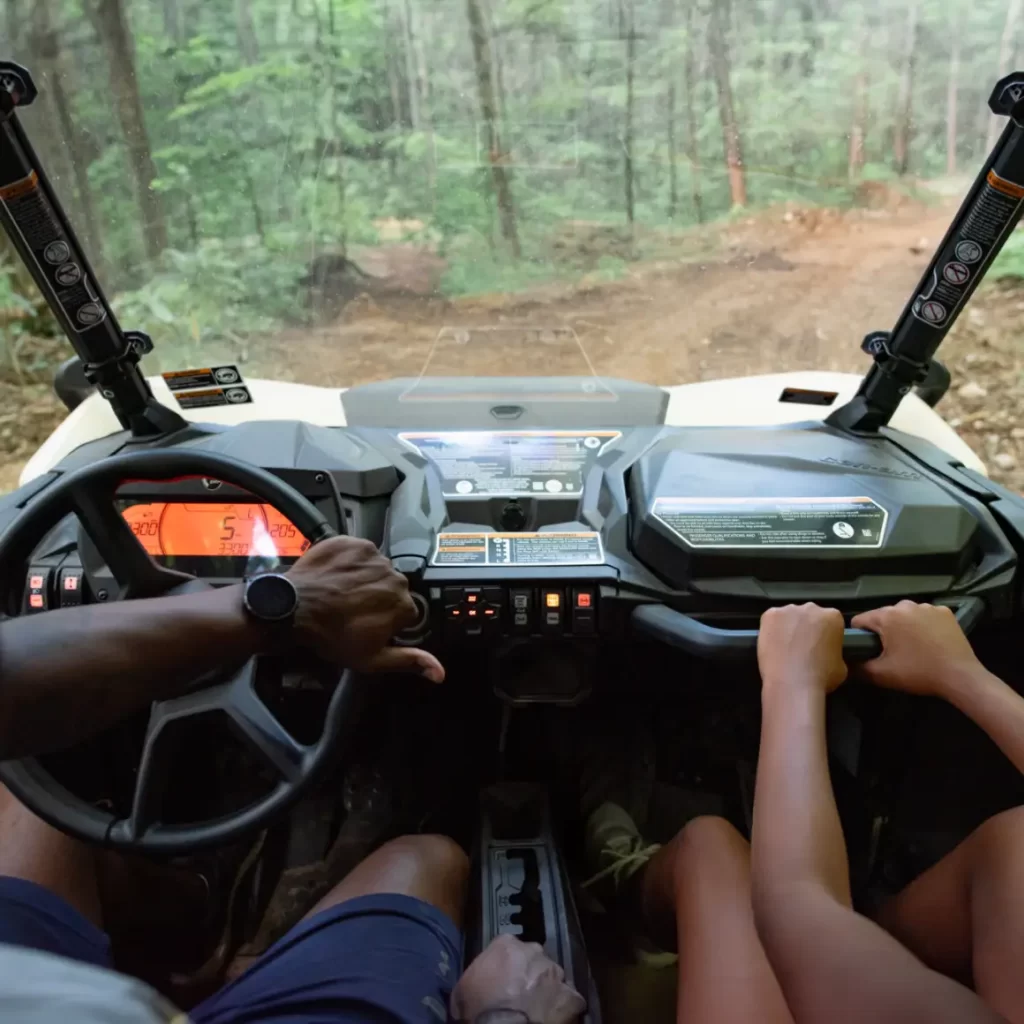
UTV Controls, in Plain English
The pre-ride rundown stays simple and practical. Expect a quick overview of:
- Accelerator and brake
- Steering feel and turning radius
- How to handle bumps without fighting the wheel
- Basic group rules like staying in line and maintaining spacing
- How to use a tour-provided radio, as a guide will be calling out vital info and upcoming terrain routes over it
A UTV often feels more familiar than first-timers expect. The biggest difference is the environment. You’re driving on uneven terrain, in the elements, and in a group where consistency matters.
What First-Timers Don’t Realize Yet
A guided tour isn’t a free-for-all. The ride stays smooth because everyone follows the same expectations.
- Spacing matters, as it improves reaction time and keeps the group steady
- Smooth inputs matter, as sudden steering and hard braking can make the ride feel tougher than it needs to
Rolling Out: The First 10 Minutes on Trail
With all the prep completed, the first stretch usually starts slower than people expect. This slower pace is intentional. The guide is watching how the group moves, how the trail is behaving that day, and where drivers seem hesitant.
Early on, you’ll likely notice a settling-in rhythm:
- The pace stays controlled while everyone finds their groove
- The guide may call out reminders about spacing, speed, and where to place your tires
- You start learning how the UTV’s weight and suspension feel over bumps
Excitement helps, and patience helps too. Pairing the two makes the rest of the ride more fun.
The Middle of the Tour: The Main Ride and the Stops
This is the heart of what happens on a UTV tour. During this portion, expect the following:
You’ll Drive, and You’ll Stop
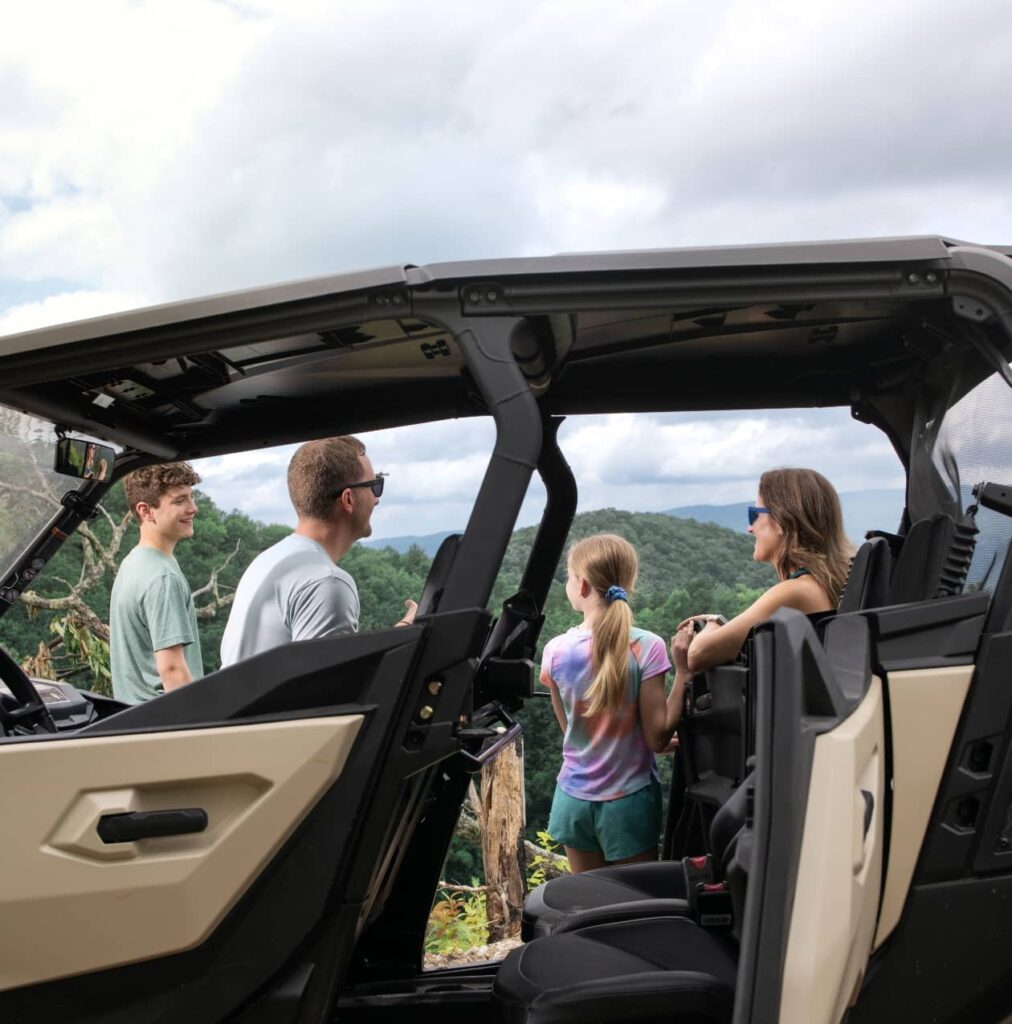
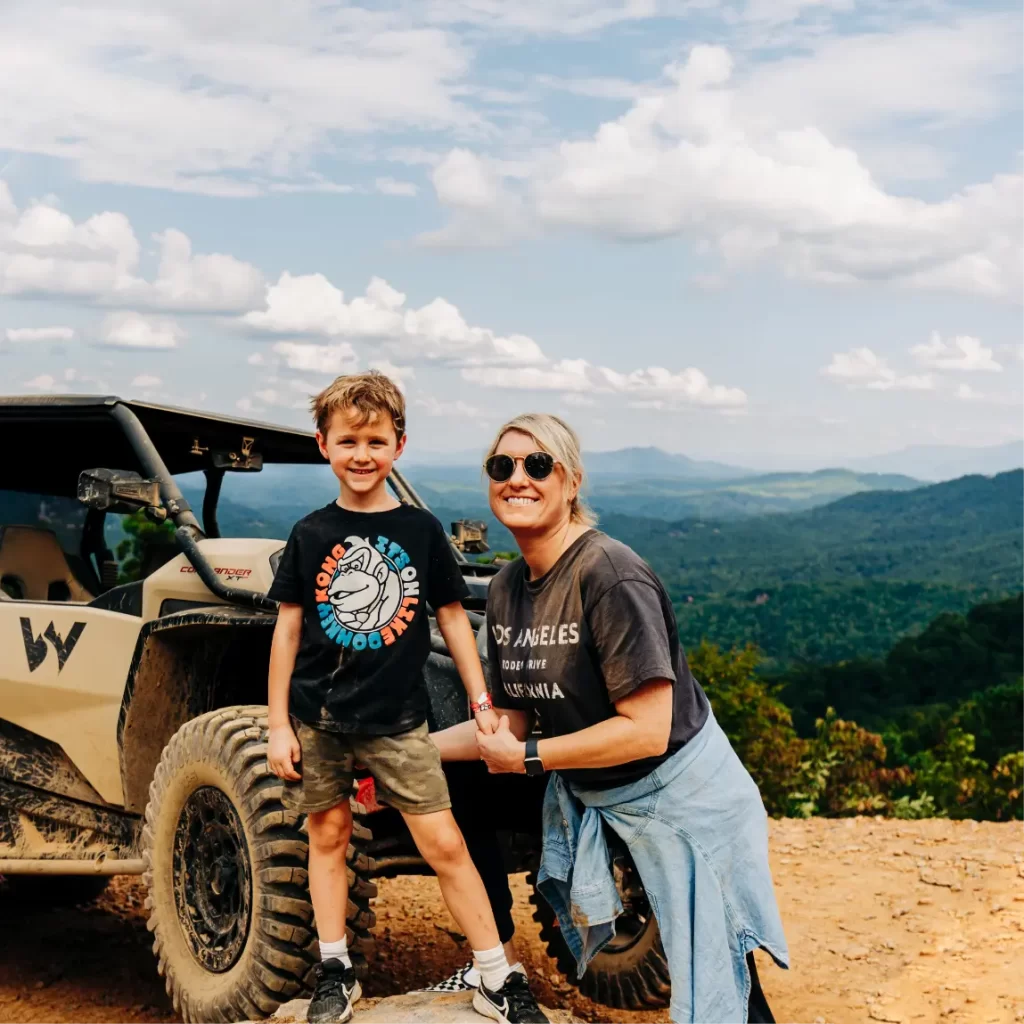
Most operators build scenic stops into the experience. Those breaks are where you grab photos, take a breath, and reset before the next segment.
You can usually expect a repeating pattern:
- A driving segment
- A viewpoint or landmark stop
- Time for photos, hydration, and quick questions
- Back on the trail
Guides Will Prepare You for the Upcoming Terrain
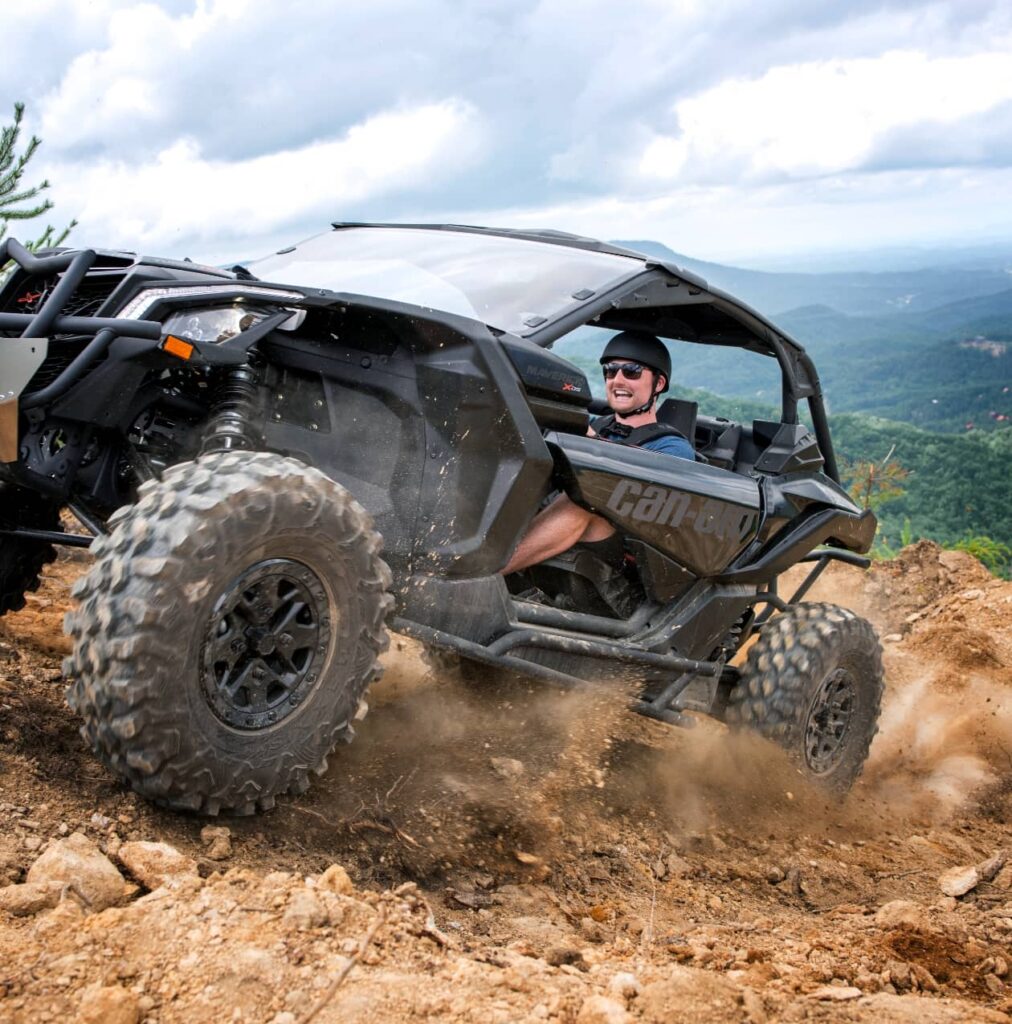
Your experience depends heavily on where you are and what the operator offers. Some tours are scenic and smooth, while others are built around rugged climbs, ruts, mud, and water crossings. Guides typically frame what’s ahead so the terrain doesn’t catch you off guard.
Driver Swaps Are Usually Structured
If a tour allows switching drivers, it’s often limited to a designated stop. Asking during check-in helps everyone in your group stay on the same page.
The End of the Tour: Back to Base
When the trail portion ends, the tour doesn’t instantly stop. Most operators finish with a quick wrap-up where you’ll:
- Follow the guide back to the base area
- Park in a designated spot
- Return helmets and any provided gear
- Ask questions, get recommendations, and plan what is next
If you’re stacking activities on the same day, build in buffer time. Ride time and total time are not always the same thing.
What Else to Know About Your First UTV Tour
If you’d like some advice about your first UTV tour, review our top three tips for people new to UTV tours:
1. Know and Follow Trail Etiquette
A guided tour is a group experience, and etiquette is really about maintaining the safety and flow of the tour. Review some of the most common trail etiquette rules to follow below:
- Follow the guide’s rules, even if you feel confident: Guides build rules around their trails, group sizes, and safety standards. A consistent group is a safer group.
- Keep your spacing: A clean gap reduces dust, improves reaction time, and prevents accordion-style braking. When you ride too close, you’re more likely to brake suddenly, and that ripple affects everyone behind you.
- Avoid passing unless the guide explicitly allows it: Many guided tours run in a line for a reason. Passing creates unpredictable spacing and extra risk, especially on narrow trails or hills.
- Film smart: Planned stops are usually the best time to film anyway. The footage looks better, and you can focus on the trail as the vehicle moves.
2. It’s Okay to be Nervous
A little nervousness is common before a UTV tour, especially if you don’t drive off-road very often. Most first-timer anxiety shows up once you’re actually on the trail, when the bumps feel bigger than expected, and the group starts moving.
If you want to feel calmer during the ride, focus on a few trail habits that make everything feel more controlled:
- Look farther down the trail: Keeping your eyes up helps your steering stay smooth and reduces the urge to overcorrect.
- Use gentle inputs: Light throttle and gradual steering feel steadier, and the ride stays more comfortable over uneven terrain.
- Follow the guide’s line: When the lead guide chooses a path through ruts or rocks, copying that line is the simplest way to avoid surprises.
- Give yourself plenty of spacing: A clean gap buys you time to react and keeps you from feeling pressured by the vehicle ahead.
- Reset at stops: Use scenic breaks to loosen your grip, adjust your posture, and take a slow breath before the next segment.
- Say something early if you’re stressed: A quick heads-up to the guide often leads to small adjustments that make the rest of the tour feel easier.
3. Adjust Your Driving to the Terrain and Weather
Most tours run in a wide range of conditions, but the weather can change the feel of the ride.
Rain and mud often mean slower speeds and more careful braking. Cold conditions can make the wind feel sharper, and traction can shift depending on the surface. If the weather turns severe, operators may adjust routes or reschedule for safety.

4. Don’t Forget the Small Stuff
First-timers are often surprised by how much the small stuff affects comfort:
- Bring water if allowed
- Secure phones and sunglasses so they don’t bounce away on rough terrain
- Use stops to relax your grip, reset your posture, and breathe
Book Your First Time UTV Tour at WildSide
If you’re interested in taking a UTV tour for the first time in Pigeon Forge, WildSide is ready to introduce you to off-roading! Our UTV tours include 90 minutes behind the wheel, the chance to explore the SMokies on private off-road trails, and expert guides who will be happy to answer any questions. We also have a fleet of high-end Can-Ams, with 2-seater, 4-seater, and 6-seater options to ensure you can find a UTV that fits your group size.
If you’re interested in going on an off-road adventure in the Smokies, learn more about our UTV tours today.