
Key Takeaways
- What’s a Side-by-Side (SxS)? An SxS, short for "side-by-side," is a multi-passenger off-road vehicle with a steering wheel, foot pedals, and a reinforced roll cage. Unlike an ATV, which is ridden solo like a motorcycle, an SxS seats two to six people next to each other in an enclosed cabin. You'll also see them called UTVs, SSVs, or just "side-by-sides".
- SxS vs. UTV: what's the difference? Technically, nothing: SxS and UTV are two names for the same vehicle type. In casual use, "SxS" tends to describe sport-oriented models built for speed and trail performance (like the Polaris RZR), while "UTV" tends to describe utility-focused models built for hauling and towing (like the Polaris Ranger). But manufacturers use both terms interchangeably, and there is no industry-standard distinction between them.
- ATV vs. SxS: ATVs are solo, handlebar-steered machines where the rider actively uses body weight to steer, which makes them best suited for tight single-track trails and experienced riders. SxS vehicles use a steering wheel and seat harness, making them more stable, more accessible for first-timers, and the only practical option when you are bringing a passenger. If you are riding with someone else, that difference alone usually decides it.
Ride one for yourself. WildSide runs 90-minute SxS tours on private off-road trails in Pigeon Forge, TN. No experience needed.
Book a UTV Tour →If you’ve ever hit the trails or explored off-road parks, you’ve likely seen a side-by-side—also known as an SxS. These off-road vehicles feature two or more seats positioned next to each other, making them perfect for trail riding, climbing rough terrain, or cruising with friends. In this guide, we’ll break down exactly what an SxS is, how it compares to ATVs and UTVs, and what makes it a top choice for off-road adventure.
What Is a Side-By-Side?
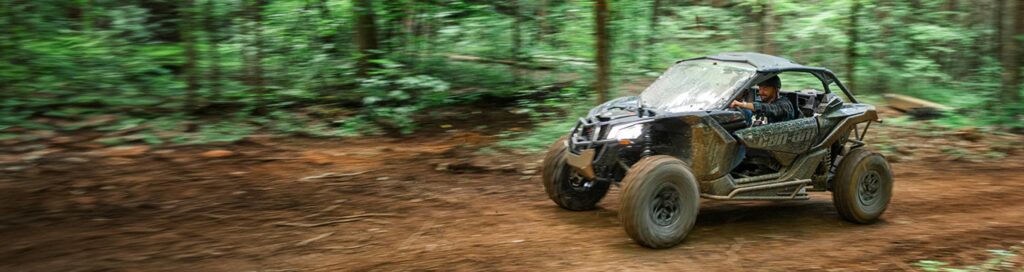
An SxS (side-by-side) is a small off-road vehicle with at least two seats next to each other. It’s built for fun: drive it over rough trails, dirt tracks, or rocky ground with a passenger by your side. It has a steering wheel, gas and brake pedals, and a roll cage for safety. Compared with an ATV (single straddle seat) or a work-oriented UTV, an SxS is wider, more stable, and tuned for recreational riding rather than hauling gear.
What Does SxS Stand For?
SxS stands for side-by-side — a reference to the seating arrangement that defines these vehicles. Unlike ATVs, where the rider straddles the seat solo, an SxS places two or more passengers next to each other in a shared cabin. The name stuck because it instantly describes what makes this vehicle type different: you ride side by side with someone, not in front of or behind them.
Primary Features of SXS Vehicles
The following features are commonly found in SxS vehicles, particularly in sport models, which prioritize recreational performance:
-
Two Parallel Seats
SxS vehicles feature side-by-side seating for at least two riders—some models even fit up to six. Safety features like seatbelts, grab handles, and rollover protection keep everyone secure on the trail.
-
Steering Wheel & Foot Pedals
Unlike ATVs with handlebars, SxS vehicles use an automobile-style steering wheel and foot pedals. This setup delivers better control and a more intuitive driving experience over rough terrain.
-
Advanced Suspension Systems
Equipped with long-travel suspension, SxS vehicles soak up bumps and jolts on uneven trails. Some sport models even offer adjustable shocks so you can fine-tune ride comfort and performance.
-
Cargo Beds
Many SxS models include a rear cargo bed for light hauling—perfect for gear, supplies, or coolers. Sport-focused SxS beds are smaller than utility UTV beds, emphasizing recreation over heavy-duty work.
-
Roll Cage
A reinforced roll cage provides crucial protection in the event of a rollover. This safety feature is standard on SxS vehicles to keep passengers safe on challenging terrain.
-
High-Performance Engines
Recreational SxS models often pack turbocharged engines for extra power and acceleration. These high-output motors make fast, fun rides through areas like the Smoky Mountains even more exhilarating.
-
Large Tires & High Ground Clearance
Big tires and elevated ground clearance help SxS vehicles maintain traction and control over rocks, roots, and uneven surfaces—ideal for high-speed off-roading adventures.
What Are Side-by-Sides Used For?
SxS vehicles are versatile and can be used for a variety of off-road activities. While primarily designed for recreational use, they are also popular in racing and hunting:
-
Off-Road Recreation
Whether it’s trail riding, mud bogging, rock crawling, or dune bashing, SxS vehicles deliver an exhilarating way to explore rugged terrain. Perfect for outdoor enthusiasts who want to challenge themselves—especially in scenic spots like the Smoky Mountains.
-
Racing & Competition
From desert races to short-course sprints and rock-crawling events, SxS vehicles are built for motorsport. Their durability and performance make them a top pick for competitive riders.
-
Hunting & Fishing
Need to reach remote hunting grounds or hidden fishing spots? SxS vehicles provide reliable access where regular vehicles can’t go, making them ideal for outdoor sportsmen.
While sports SxS vehicles are also used for some work and utility tasks, UTVs tend to be better suited for heavy-duty applications because of their larger cargo space and enhanced towing capacity. That said, UTVs are regularly used for recreational off-road tours since they have more space for storage and often have more seats.
What Is a UTV?
UTV vs SxS
| SxS Sport focus | UTV Utility focus | |
|---|---|---|
| Primary use | Built for trail riding, dunes, and off-road recreation. The priority is performance and fun — getting over terrain fast and confidently, with a passenger alongside you. | Designed around work tasks: hauling cargo, towing equipment, reaching remote hunting spots, or running a large property. Recreation is secondary to capability. |
| Engine | High-output engines, often turbocharged, tuned for speed and responsiveness. Power delivery is sharp and immediate — built to feel quick on acceleration, not just at top speed. | Torque-focused engines that prioritize pulling power over peak speed. Built to haul heavy loads, tow trailers, and sustain effort over long work days without overheating. |
| Cargo bed | Small bed or none at all. Sport models trade cargo space for a lower center of gravity and better handling. If you need to carry gear, you're packing light. | Large rear cargo bed with meaningful tow ratings — typically 1,000–2,000+ lbs depending on the model. Built to move real loads, not just a cooler and a bag. |
| Suspension | Long-travel suspension with high wheel articulation, tuned to absorb bumps and jumps at speed. Some sport models offer adjustable shocks so you can dial in the ride for different trail conditions. | Stiffer suspension designed to stay stable and level under heavy loads. Less travel than a sport model, but more predictable when you're towing or carrying weight in the bed. |
| Seating | Typically 2 to 4 bucket seats with snug harness-style seatbelts. Seating is oriented around the driver — close, low, and wrapped in, like a cockpit. | Often 4 to 6 seats, with some models offering bench-style rear seating for more passengers. Designed to move a crew, not just a driver and one passenger. |
| Ground clearance | High ground clearance — built to clear rocks, roots, and obstacles at trail speed without bottoming out. The undercarriage is protected for aggressive terrain. | Moderate clearance, balanced against stability under load. Enough to handle rough terrain and off-road trails, but the priority is a level, planted ride rather than maximum obstacle clearance. |
| Example models | Polaris RZR, Can-Am Maverick, Yamaha YXZ1000R | Polaris Ranger, Can-Am Defender, Honda Pioneer |
What Is an ATV?
ATV vs SXS
Sign up for a UTV Tour in the Smoky Mountains at WildSide
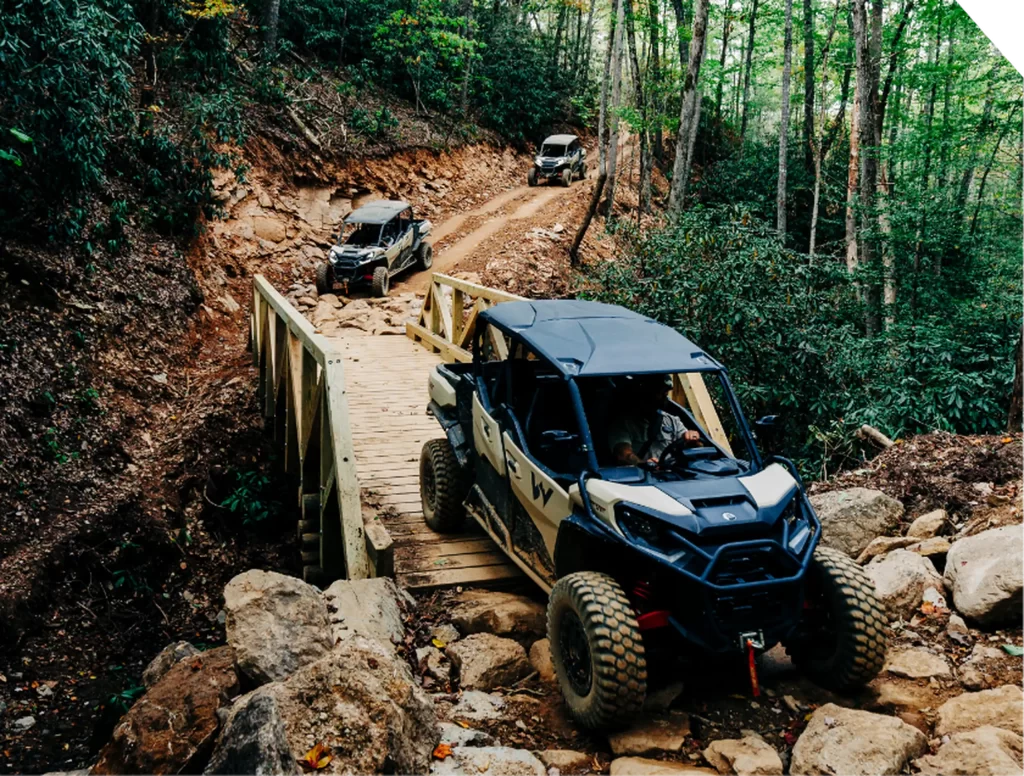
If you’re looking for a side-by-side UTV rental in Pigeon Forge, TN, head to WildSide Adventure Park. When you visit our park, you can spend 90 minutes behind the wheel of an SxS or a UTV, driving it down private off-road trails deep in the forest. Our expert guides will lead you through scenic, secluded trails, with plenty of photo opportunities along the way. We also provide all the necessary safety gear to keep you secure while you ride in style through the Smokies.
Learn more about our SxS and UTV tours today. If you’re ready for an unforgettable off-roading experience in the Smoky Mountains, sign up for a UTV rental today!