
Key Takeaways
Most mountain bike trips call for a helmet, gloves, eye protection, shoes, and a repair kit, with pads and hydration scaled to ride length and terrain.
A properly fitted helmet is the single most important item for any mountain biking trip, and one with MIPS adds an extra layer of protection.
Full-finger gloves, eye protection, and pedal-matched shoes cover the basics nearly every rider needs.
Knee and elbow pads depend on the terrain, so gear up based on where you're actually riding.
A repair kit built around a multi-tool, tire levers, and a pump turns a flat into a five-minute stop instead of a long walk back.
Packing for a mountain bike trip is easy to overthink. Bring too much gear and you’re hauling dead weight up every climb. Skip too much and one flat tire turns into a long walk back to the car.
This guide breaks down the mountain biking gear that actually matters, from helmet to repair kit, so you can pack smart and spend your trip riding instead of second-guessing your bag.
8 MTB Gear Essentials for Your Trip
Here’s the mountain bike gear worth packing or wearing before you roll out, ranked in the order it actually matters.
1. Helmet
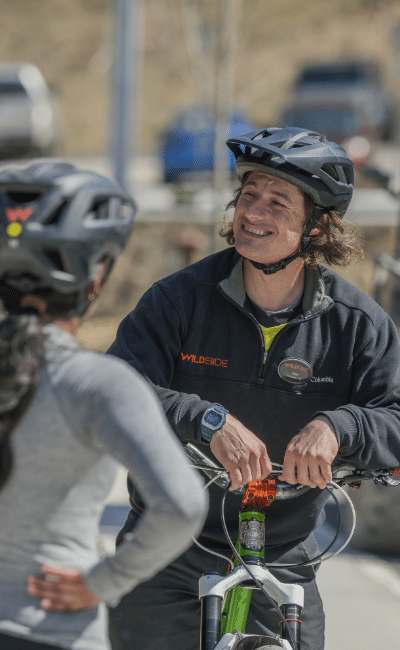
Your helmet matters more than anything else on this list. Choose a mountain bike-specific helmet with a snug fit and good ventilation, and look for one certified to a recognized safety standard.
Many helmets also include MIPS, a low-friction liner designed to reduce rotational force in an angled impact, which is worth considering when you compare options. Half-shell helmets suit most trail and XC riding, while full-face helmets add coverage for bike parks, enduro, and downhill. Replace it every three to five years, or right after a hard crash, even if it looks fine.
2. Gloves
Full-finger mountain biking gloves protect your hands during a slide and help you keep grip on the bars when things get sweaty.
Aim for a snug fit, breathable material, and light padding across the palm. Heavy padding can work against you by numbing your feel for the bars, so thinner is often the better call.
3. Eye Protection
Dirt, bugs, and low branches move fast on a descent, so eye protection isn’t optional. Sunglasses with wraparound coverage work for most rides, especially with photochromic lenses that adjust between sun and shade. Goggles make more sense in dust, cold wind, or steady rain, and they pair well with a full-face helmet.
4. Mountain Bike Clothing
What to wear mountain biking starts with a moisture-wicking jersey and a padded liner short, both of which beat cotton’s tendency to hold sweat and chafe. Socks above your ankle keep debris out of your shoes. Layering shifts by season, from a breathable jersey in summer heat to a cold-weather base layer when temperatures drop.
5. Shoes
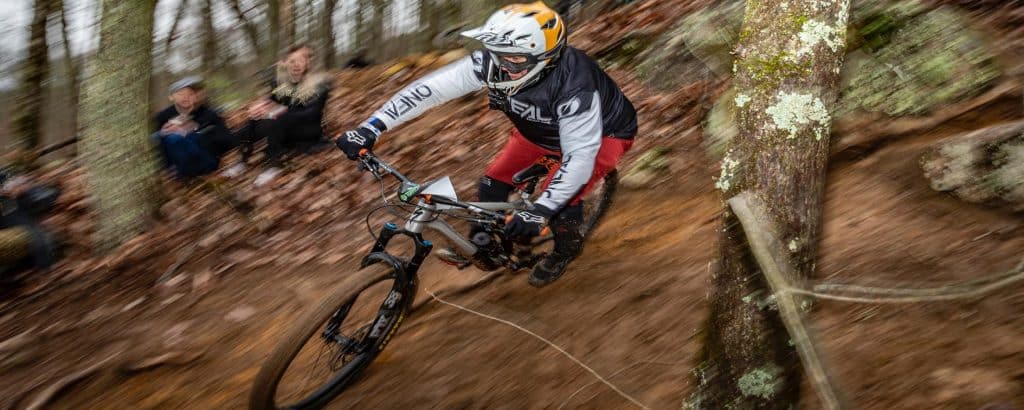
Your pedals decide your shoes. Flat pedals pair with grippy, skate-style shoes that let you bail quickly, making them a solid choice for beginners and technical terrain. Clipless pedals lock your shoes in for better power transfer on climbs and longer rides. Expect a few clumsy dismounts before unclipping feels natural.
6. Protective Pads
Mountain bike knee pads and elbow pads scale with terrain rather than applying to every ride. Smooth, flowy trails call for light pads or none at all, while technical, rocky, or downhill terrain earns thicker, hard-shell protection. Riders pushing into enduro or downhill racing sometimes add chest and back protection too.
7. Hydration
A single water bottle covers most rides under an hour. Past that, especially on hot days or bigger climbs, a hydration pack carries more water and frees your hands on technical sections. Packs also give you room for snacks, a spare layer, and your repair kit.
8. Repair Kit & Trail Essentials
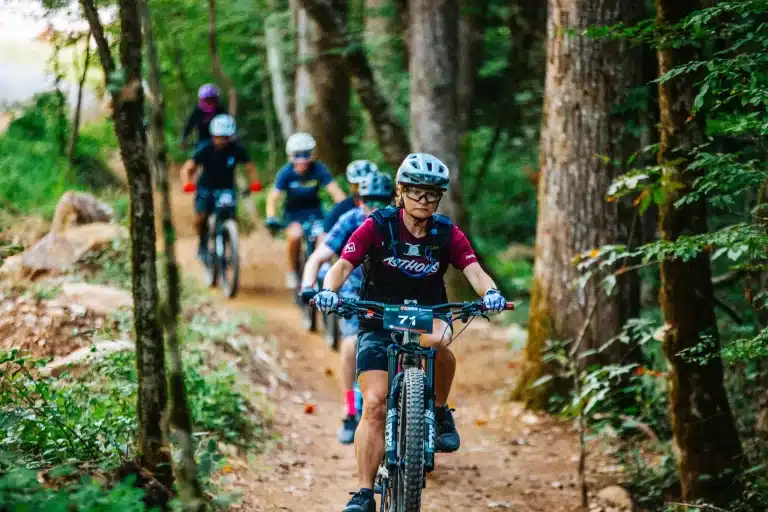
Pack a mountain bike multi-tool with a chain breaker and hex keys, tire levers, a mini-pump or CO2 inflator, and a tubeless tire repair kit or spare tube. Add a master link, a small first-aid kit, your phone, and ID. None of these mountain bike accessories are heavy, and all of them can save your ride.
Match Your Gear to Your Riding Style
How much gear you pack shifts with your riding style. Casual trail and XC riders usually get by with the core essentials, light pads if any, and a small repair kit. Enduro and downhill riders lean into heavier mountain bike protective gear: full-face helmets, thicker pads, and sometimes chest or back protection.
If you’re new to the sport, start light and add gear as you learn what you enjoy. WildSide’s mountain biking trails, ranging from beginner to expert, are a great place to test your style first.
Buying Priority: What to Get First on a Budget
For a gradual buildout, buy these mountain biking essentials in this order:
Gear Mistakes That Ruin a Trip
A few habits cause most of the trouble on a mountain bike trip:
- Cotton clothing: Sweat gets trapped and chafing follows fast, so switch to moisture-wicking fabric instead.
- Skipping pads: A minor crash turns into a bigger scrape on technical terrain without them.
- An old helmet: A hard hit compresses the foam, so it won’t protect you the way a fresh one will.
- Skipping the repair kit: A flat tire turns into a long walk instead of a short delay without one.

Mountain Biking Gear FAQs
What Gear Do I Need for Mountain Biking?
Most riders need a helmet, gloves, and eye protection, along with shoes and a repair kit suited to their setup and terrain. Knee and elbow pads scale with terrain too, and aggressive riders may add chest or back protection.
Do I Need Knee Pads for Mountain Biking?
Not always. Light pads help on moderate trails, and thicker pads make sense on technical terrain.
Do I Need a Hydration Pack for Mountain Biking?
A water bottle covers rides under an hour. Past that, a hydration pack is better since it carries more water and frees your hands.
Do I Need a Full Face Helmet for Mountain Biking?
Only for bike parks, enduro, or downhill. A half-shell helmet covers most trail and XC rides, ideally with MIPS.
Do I Need Special Shoes for Mountain Biking?
Yes. Pedal-matched shoes improve grip and control compared to regular sneakers.
Get Geared Up at WildSide
If you’re still building your kit, or you’d rather travel light, we’ve got you covered. WildSide’s trails in the Smokies suit riders at every stage, and our rentals include a helmet with every bike so you can roll up ready to ride.
Check out our bike rental options for e-bikes, analog bikes, and protective gear you can rent on-site. If you’re ready to ride, book your trail day today!